
Impact report 2026

What grows from a welcoming space

How a Deaf- and Disabled-led community space in Brixton and Camberwell creates belonging, support, skills and opportunity.

Katakata C.I.C. · Company number 09701731
Our work as at November 2026. Each figure shows its own time period.

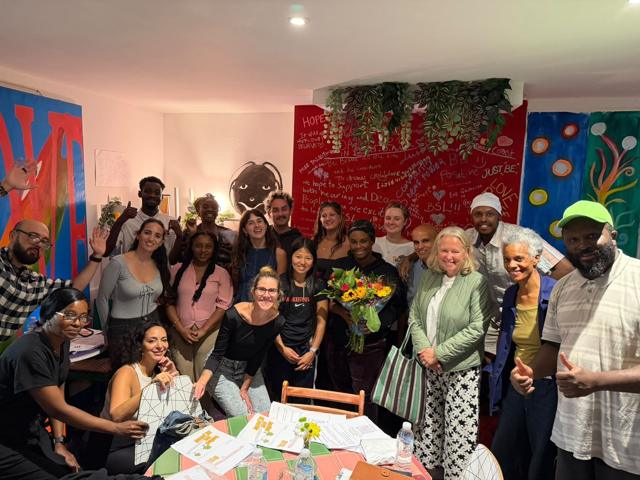
About twenty smiling BSL learners and teachers in a colourful café room, some waving and giving a thumbs up. One holds a bunch of sunflowers.
BSL learners and teachers at Katakata
Our space

It starts with a welcome

Katakata’s greatest asset isn’t a building or a programme. It’s a safe, welcoming and accessible space, and the relationships that grow in it.

Katakata is a community organisation led by Deaf and Disabled people, with two cafés: Katakata Brixton on Brixton Hill, and Neurodiverse by Katakata in Camberwell. Anyone can walk in. You can order by speaking, signing, pointing or writing, and nobody rushes you.

Deaf and disabled people, their families and neighbours from many backgrounds share the same tables. From that shared space, people find community, practical support, skills and opportunities.

The café, food bank, advice, garden, BSL classes, music and employment support aren’t separate services. They are connected parts of one place. Someone who comes in for food might stay for a conversation, book advice, join the garden or start learning to sign.

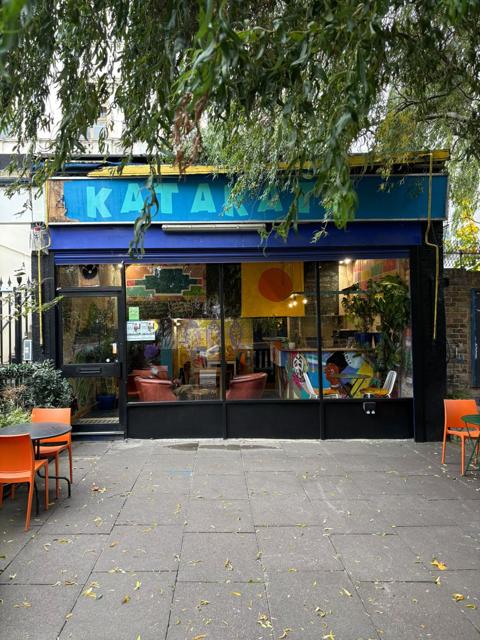
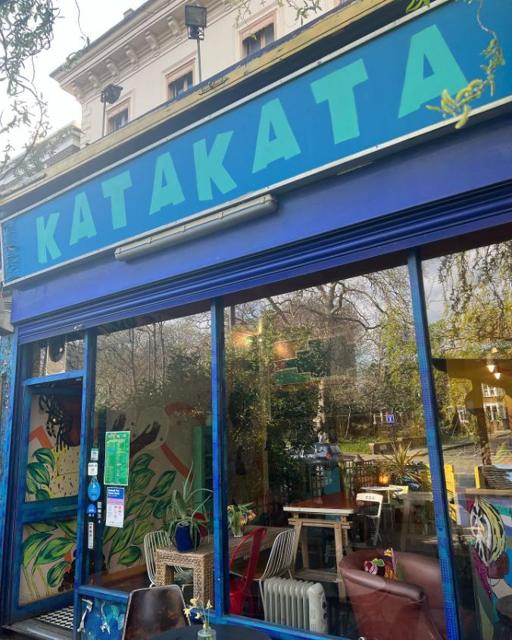
The front of Katakata Brixton: a bright blue shopfront with KATAKATA in big turquoise letters, colourful art in the windows, and orange chairs outside under a willow tree.
Katakata Brixton, 132A Brixton Hill
Our results

What people tell us changes

Four results come from feedback forms, one for each activity, collected between May and September 2026. They are separate results, not one survey. The fifth comes from our employment pathway records. Each result shows how many people it is based on, and describes those respondents, not everyone who uses a service.

  • Confidence in BSL

    80 per cent of BSL learners who gave feedback said they felt more confident signing.

    20 out of 25 learners who gave feedback, May to September 2026

    Many start with little or no signing. They practise with Deaf people in a real café, in real conversations, and every new signer makes our community more open.

    Learn BSL with us

  • Wellbeing and belonging in the garden

    90 per cent of garden participants who completed a feedback form reported better wellbeing and a stronger sense of belonging.

    36 out of 40 garden participants who completed a feedback form, May to September 2026

    Every Tuesday people plant, weed and harvest side by side. It is a calm, sensory space where you learn where food comes from and see what you have grown.

    About the garden

  • Connection at the open mic

    98 per cent of open mic guests who completed a feedback form said they felt connected to the community, safe and part of something.

    78 out of 80 people who completed a feedback form, May to September 2026 (exactly 97.5%, rounded to 98%)

    On the first Saturday of every month, 15 to 20 people sing, share poetry, play music and spend time with family, in a room where everyone is welcome.

    Music and events

  • Support at the food bank

    95 per cent of food bank users who completed a feedback form said they felt supported or part of the community.

    95 out of 100 people who completed a feedback form, May to September 2026

    Every Wednesday, people collect food inside our Brixton café. They can sit down, talk with our team in BSL, speech or writing, and meet others.

    About the food bank

  • Into paid work

    83 per cent of employment pathway participants moved into paid work.

    10 out of 12 participants in our current employment pathway: 6 in paid roles at Katakata and 4 with other employers (exactly 83.3%, rounded to 83%)

    A welcoming first step, confidence, practical skills in a real café, and then a paid job.

    See the pathway into work

Katakata at a glance

What happens in our space

Every figure says what it counts and when. We don’t add figures from different activities together, because one person may take part in several.

  • about30

    people use our food bank every Wednesday

    Food, a friendly face and a place to sit and talk.

    Estimate · people in a typical week. November 2026.

  • about55

    free meals every week for people experiencing homelessness

    Made by our team for two Thames Reach services.

    Current weekly figure · meals. November 2026.

  • about5–6

    people get free advice every week

    Housing and everyday problems, with advice in BSL for Deaf people.

    Estimate · people in a typical week. November 2026.

  • 6

    hours of free BSL practice every week

    Drop-ins on Monday, Wednesday and Thursday, 1pm to 3pm, with Deaf people.

    Count · hours from our timetable. November 2026.

  • 15–20

    people at each monthly open mic night

    Music, poetry, family and friends on the first Saturday of every month.

    Estimate · people per night. November 2026.

  • around300

    people at each Katakata Festival

    Music, food and stalls, bringing neighbours together.

    Estimate · people at one event.

  • 10 of 12

    employability participants moved into paid work

    Six in paid roles at Katakata and four with other employers.

    Result · participants. Katakata records.

  • 2

    cafés open seven days a week

    In Brixton and Camberwell, with the same vegetarian and vegan menu.

    Count · cafés. November 2026.

Our theory of change

How change happens at Katakata

This is how we understand our work: five connected steps, from a welcoming space to a more inclusive community. People don’t all follow the same path, and they can join at any step.

  1. A safe and accessible space

    Two cafés and a garden, led by Deaf and Disabled people. Talk to us your way.

  2. Trust and connection

    People get to know each other and our team, and come back.

  3. Practical support and opportunities

    Food, advice, BSL classes, the garden, training and work.

  4. Confidence, skills and wellbeing

    What participants tell us changes for them.

  5. Greater inclusion and opportunity

    The longer-term change we are working towards.

What we do

  • Two welcoming, accessible cafés
  • Wednesday food bank and 55 meals a week for Thames Reach
  • Free advice, including in BSL
  • Free BSL classes and practice drop-ins
  • Weekly community gardening
  • Monthly open mic and an annual festival
  • Employability programme and monthly Job Club

What participants tell us

  • They feel part of a community and a stronger sense of belonging
  • They have gained confidence, through gardening, performing and learning
  • BSL learners have built their signing skills and feel more confident communicating with Deaf people
  • Food prepared with care helps people feel treated with dignity
  • Programme participants describe new skills and ambitions

The change we are working towards

  • More Deaf and disabled people in good jobs and in leadership
  • Services and employers that include Deaf and Disabled people as a matter of course
  • A more inclusive local community, where more people can sign
  • Less isolation and better wellbeing

The first column is what we deliver now. The second is what participants tell us, backed by our feedback results from May to September 2026: 80% of BSL learners, 90% of gardeners, 95% of food bank users and 98% of open mic guests who gave feedback, and 83% of employability participants moving into paid work. The third describes our long-term aims.

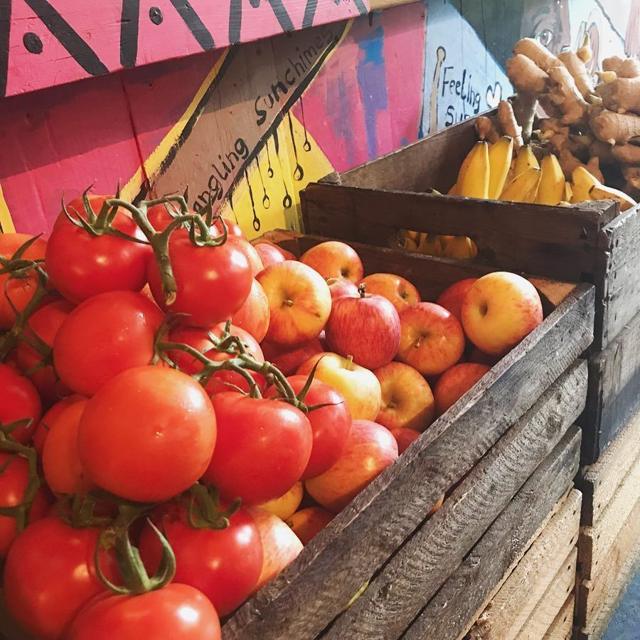
A wooden crate full of bright red tomatoes on the vine and red apples, with bananas and ginger behind, against a painted wall.
Fresh produce at Katakata, including produce from our own garden
Food and connection

More than a food parcel

about30people use our food bank every WednesdayEstimate · people in a typical week · November 2026

Every Wednesday from 11am to 2pm, our food bank runs inside Katakata Brixton. People collect food in a warm, ordinary café.

The food matters. So does what happens around it. People sit down, meet others and talk with our team, in BSL, speech, writing or whatever works for them. For some, the food bank is the first time they walk through our door.

What people tell us

  • 95% of food bank users who completed a feedback form between May and September 2026 (95 out of 100) said they felt supported or part of the community.
  • The food bank gives them a place to come together and meet others.
  • It helps them feel part of a community, not just someone collecting food.

From the food bank, some people go on to get advice, join the garden or come to an event.

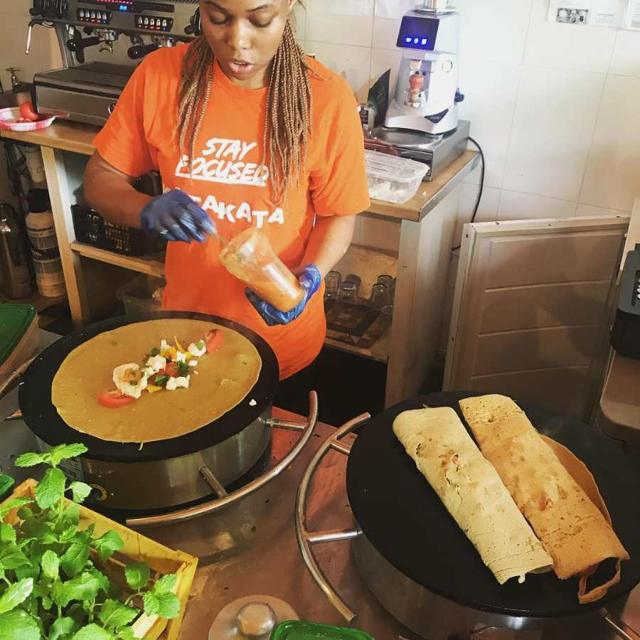
A cook in a Katakata T-shirt makes a galette on one hotplate while two rolled galette wraps wait on the hotplate beside her.
Cooking at Katakata
Meals cooked with care

Food made by real people, for real people

about55free meals every week for people experiencing homelessnessCurrent weekly figure · meals · November 2026
30meals every Monday for Thames Reach
25meals every week for Thames Reach on Stockwell Road

Every week our team cooks meals for Thames Reach, a local homelessness charity, which shares them with the people it supports.

These aren’t anonymous trays from a factory. They are cooked by our own team, from the same vegetarian and vegan menu we serve in our cafés.

What people tell us

  • Receiving food prepared with care matters to them.
  • Knowing where their food comes from matters too.
  • They feel treated with dignity.
Looking up at the front of Katakata Brixton: a tall blue frame with KATAKATA in large turquoise letters above big windows full of plants and paintings.
Advice happens in a place people already know
Advice in your language

Help that starts with being understood

about5–6people get free advice and guidance every weekEstimate · people in a typical week · November 2026

Many services expect you to phone, fill in forms alone or wait for an interpreter. For a Deaf person facing a housing problem, that can mean no help at all.

At Katakata, people get free advice and guidance on housing and other everyday problems. Deaf people can book advice in British Sign Language, so they can explain what is happening in their own language, to someone who understands.

We are part of the Lambeth Advice Network. Local GPs and residents refer people to us, and Lambeth Council has supported this work.

Why it works

  • Advice happens in a community space, not a waiting room.
  • Accessible communication is built in, not arranged as an extra.
  • Advice links to food support, the Job Club and other activities in the same place.
About twenty smiling BSL learners and teachers in a colourful café room, some waving and giving a thumbs up. One holds a bunch of sunflowers.
A BSL class at Katakata
Learning to sign

Opening minds, one sign at a time

6hours of free BSL practice with Deaf people every weekCount · from our timetable · November 2026
3free practice drop-ins a week: Mon, Wed and Thu, 1pm to 3pm, at Katakata Brixton
FreeBSL awareness course in Camberwell: four Tuesdays in a row, every other month, with free food and water

Our free BSL classes and practice drop-ins welcome anyone who wants to learn. Many begin with little or no signing at all. They practise with Deaf people, in a real café, in real conversations.

What participants tell us

  • 80% of learners who gave feedback between May and September 2026 (20 out of 25) said they felt more confident signing.
  • They have developed their British Sign Language skills.
  • They feel more confident communicating with Deaf people.

Each new signer makes the community a little more inclusive. Learning to sign builds understanding between Deaf and hearing people, and breaks down the barriers Deaf people meet every day.

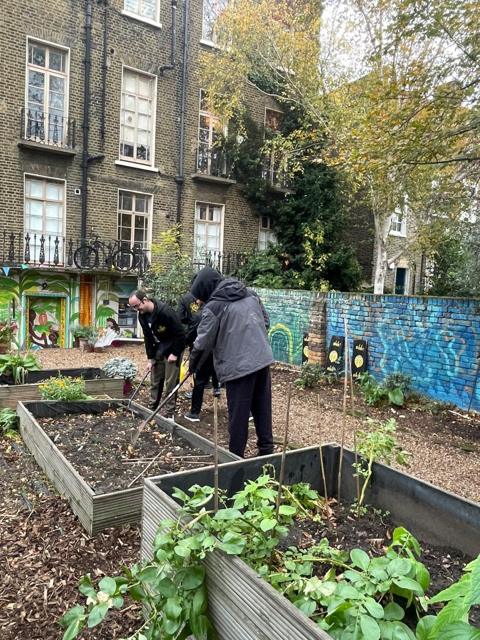
People digging raised vegetable beds in the community garden, with a painted mural wall and tall brick houses behind.
Gardening day in Brixton
The community garden

Growing food, confidence and friendships

3hours of community gardening every weekCount · Tuesdays, 12pm to 3pm · November 2026

Every Tuesday, people come together in our Climate Garden in Brixton to plant, weed, water and grow food and flowers. Anyone can join, and no experience is needed.

The garden is a sensory space: soil, scent, colour and fresh air in the middle of the city. Gardening side by side doesn’t need much talking, which makes it a gentle way in for people who find busy rooms hard.

What participants tell us

  • 90% of garden participants who completed a feedback form between May and September 2026 (36 out of 40) reported better wellbeing and a stronger sense of belonging.
  • They have gained confidence through gardening.
  • They value time in nature.
  • They have learned where food comes from.
  • They enjoy practical learning and working alongside others.

The garden connects wellbeing, food education and practical skills. People see what they have grown and achieved with their own hands.

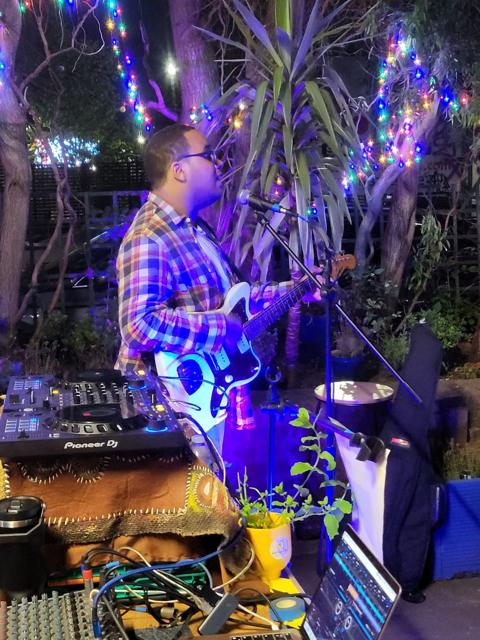
A musician in a checked shirt plays electric guitar under fairy lights and palm leaves at an evening event.
Live music at Katakata
Music and belonging

A stage for everyone

15–20people at each open mic nightEstimate · people per night · November 2026
12open mic nights a year, on the first Saturday of every month
180–240estimated attendances a year (12 nights × 15–20). Includes regulars, so not different people
~4 yearsof monthly open mic nights
~300people at each Katakata Festival (estimate)

On the first Saturday of every month, from 7pm to 10pm, Katakata Brixton becomes a stage. People sing, share poetry, play music and express themselves. Families come together. Others come to listen and be part of it.

Once a year, the Katakata Festival brings around 300 people together for music, food and stalls.

What participants tell us

  • 98% of people who completed a feedback form between May and September 2026 (78 out of 80) said they felt connected to the community, safe and part of something.
  • The open mic gives them a welcoming place to express themselves.
  • They have gained confidence.
  • They have found community, and a stronger sense of belonging.
  • It is a place to spend time with family and connect with others.
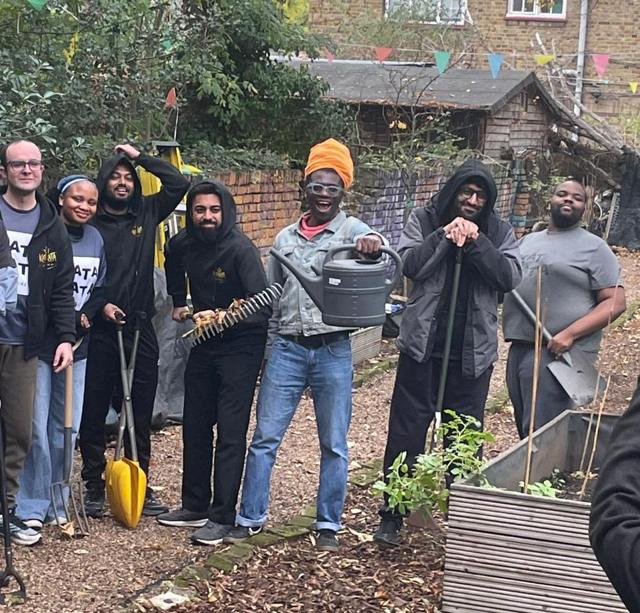
Eight members of the Katakata team stand together in the community garden, laughing and holding a rake, spades and a watering can.
Members of the Katakata team
The café, skills and work

A café to enjoy, and a place to learn to work

83%of employment pathway participants moved into paid work10 out of 12 participants · 6 at Katakata, 4 with other employers

Our cafés are good cafés first: fresh galettes, crêpes, juices and coffee, open to everyone. They are also real workplaces.

On our employability programme, small groups of Deaf and disabled people learn cooking, barista skills, customer service, communication and teamwork while serving real customers. Each group has 4 places. People are referred by the Jobcentre, SEND schools and other partners. Each person goes at their own pace, and each group ends with a small graduation.

On the third Thursday of every month, from 1pm to 3pm, our Job Club in Camberwell, run with the Jobcentre, helps people take their next step into work.

4places in each employability group (group size)
MonthlyJob Club in Camberwell, third Thursday, 1pm to 3pm

I have learned new skills and I am proud of the progress I have made.

FurquanBarista at Katakata

Money from the café and catering helps keep our space open. Bookings for catering, BSL and Deaf awareness training, and Deaf-led video do the same.

The pathway into work

From a welcome to a paid job

Many Deaf and disabled people are shut out of work, not because of their skills, but because workplaces aren’t set up for them. Our employability programme starts with a welcome and builds from there.

83%

10 out of 12 participants moved into paid work

6paid roles at Katakata
4paid roles with other employers
  1. A welcoming first step

    People are referred by the Jobcentre, the DWP, SEND schools and other partners, and join a small group of four in our café. Everyone goes at their own pace.

    “I came to Katakata through a DWP referral and really enjoyed being part of the programme.”

    Diego
  2. Building confidence

    In a space led by Deaf and Disabled people, participants are understood and can communicate their way.

    “The experience helped me build my confidence.”

    Diego
  3. Practical skills

    Cooking, barista skills, customer service, communication and teamwork, learned by serving real customers. Our monthly Job Club in Camberwell helps with next steps.

    “I have learned new skills and I am proud of the progress I have made.”

    Furquan, barista at Katakata
  4. Paid work

    10 out of 12 participants moved into paid work: 6 in paid roles at Katakata and 4 with other employers.

    “In the future, I would like to become a supervisor or manager.”

    Furquan, barista at Katakata

Furquan’s and Diego’s words describe their own experiences.

In their own words

Furquan, Diego and Kleyvis

Three people from Katakata, in their own words, shared with their permission.

Furquan

Barista at Katakata

“I enjoy working at Katakata, especially making cappuccinos and working with the team. I have learned new skills and I am proud of the progress I have made. Frankie gives me clear instructions, and that helps me at work.”

“In the future, I would like to become a supervisor or manager and one day run my own café or barista business. My message to others is: never give up.”

What he enjoys
Making cappuccinos and working with the team
What helps
Clear instructions from Frankie, which is what the team calls Francklin, our founder
What he’s proud of
New skills and the progress he has made
What’s next
Supervisor or manager, and one day his own café or barista business

Diego

Took part in Katakata’s programme

“I came to Katakata through a DWP referral and really enjoyed being part of the programme. While I was there, I discovered how much I love photography. I used my photos to document the programme and created a book from them. The experience helped me build my confidence, and now I want to take my photography further and develop it into a career.”

How he came
A referral from the DWP
What he discovered
A love of photography. He documented the programme and made a book
What it gave him
Confidence
What’s next
A career in photography

Kleyvis

Video by the Department for Work and Pensions (DWP), December 2025

The DWP filmed an interview with Kleyvis, in which he talks about his experience at Katakata. Shared with his permission.

Watch Kleyvis’s video on Vimeo (opens in a new tab)
vimeo.com/1147677677/90bbb4ec1d

What makes Katakata different

Built by people who know the barriers

Deaf and disabled people often meet barriers in community spaces, services and work: phone-only services, no interpreter, noisy rooms, or being talked about rather than talked to. Katakata was built to remove them.

Deaf- and Disabled-led

Katakata is led by Deaf and Disabled people, and Deaf people are part of our paid team. Lived experience shapes every decision.

Communication your way

BSL, speech, writing, pictures or pointing. We adapt to people, not the other way round.

Everything under one roof

Food, advice, BSL, gardening, music and training in one familiar place, with people you know.

Trusted relationships

We work with the Jobcentre, Lambeth Council, Thames Reach, South London and Maudsley NHS Foundation Trust and local GPs.

Lambeth Advice Network

Our advice work is part of the Lambeth Advice Network.

Commissioned by the NHS

South London and Maudsley NHS Foundation Trust commissioned Katakata to run Brothers Together, a social space in Southwark for Black men, launching in November 2026. It meets monthly at Neurodiverse by Katakata, by referral from a SLaM Southwark Community Mental Health Team.

In the news

Visits to Katakata

Lambeth Council Thames Reach South London and Maudsley NHS Foundation Trust Walcot Foundation Department for Work and Pensions
Looking ahead

Where we are going next

Our ambition is to grow what works: more people finding belonging, support and work through our space, and more organisations learning from it. These plans are being developed and are not yet in place.

  • PlanningA new kitchenSo we can cook more, train more people and grow catering, subject to approval.
  • ExploringResearch with Deaf and Disabled peoplePartnerships that carry what we learn beyond our walls, shaped by the people it affects.
  • ExploringDeaf-led videoGrowing our video work into training and paid work for Deaf and disabled people.
  • PlanningMeasuring change over timeBuilding on our feedback forms by asking people when they join and again later, in BSL, in conversation or in large print.
Support what grows here

Help keep the doors open

Everything in this report grows from one welcoming space. Your support keeps it open, accessible and growing.

Fund the space

Core funding keeps the doors open, the food bank running and advice available in BSL.

Talk to us about supporting our work

Book our services

Vegetarian and vegan catering, BSL and Deaf awareness training, and Deaf-led video, available to book now.

Ask for a quote

Open doors to work

Offer work experience or jobs to people from our employability programme.

Become an employer partner

Refer someone

For advice, the food bank or our employability programme, with the person’s permission.

Send us a referral

Figures and sources

How we counted

The figures in this report describe our regular work as at November 2026, unless stated otherwise. Figures labelled “estimate” are approximate. Weekly figures describe a typical week. Some people come more than once and some take part in several activities, so we never add figures together as a number of people.

Figures used in this report
FigureWhat it countsTypePeriodSource
83% (10 of 12)Employability participants who moved into paid work: 6 at Katakata and 4 with other employersResult, participantsCurrent employment pathwayKatakata records; four outside jobs confirmed by the founder
98% (78 of 80)Open mic guests who felt connected, safe and part of something (97.5%, rounded)Feedback, respondentsMay to September 2026Katakata feedback forms
95% (95 of 100)Food bank users who felt supported or part of the communityFeedback, respondentsMay to September 2026Katakata feedback forms
90% (36 of 40)Garden participants reporting better wellbeing and belongingFeedback, respondentsMay to September 2026Katakata feedback forms
80% (20 of 25)BSL learners who felt more confident signingFeedback, respondentsMay to September 2026Katakata learner feedback
About 30People using the food bankEstimateTypical Wednesday, Nov 2026Katakata records, reported by the founder
About 55Free meals for people experiencing homelessness, through Thames Reach (30 on Mondays and 25 for Stockwell Road)Current weekly figure, mealsEach week, as at Nov 2026Katakata records, reported by the founder
About 5–6People receiving advice and guidanceEstimateTypical week, Nov 2026Katakata records, reported by the founder
6 hoursFree BSL practice drop-ins (3 sessions of 2 hours)Count, hoursEach week, Nov 2026Katakata timetable
3 hoursCommunity gardening (one session)Count, hoursEach week, Nov 2026Katakata timetable
15–20People at each open mic nightEstimatePer night, Nov 2026Reported by the founder
180–240Open mic attendances a year (12 nights × 15–20). Includes repeat attendeesEstimate, attendancesA year, based on 12 monthly nightsCalculated from the two figures above
About 4 yearsHow long the monthly open mic has runApproximateAs at Nov 2026Reported by the founder
Around 300People at the Katakata FestivalEstimateEach festivalReported by the founder
6Paid roles at Katakata held by employability participants (part of the 10 above)Count, participantsCurrent employment pathwayKatakata records
4Places per employability groupCount, capacityNov 2026Programme design
2Cafés, open seven days a weekCountNov 2026Katakata opening hours

What participants tell us: the experiences described under “What people tell us” and “What participants tell us” come from participant feedback gathered by Katakata. Each activity had its own feedback form, collected between May and September 2026. Percentages are worked out from the number of people who completed that form, shown next to each result, and rounded to whole numbers. They describe the people who responded, not everyone who used a service.

Quotes: Furquan’s and Diego’s words are used with their permission.

Photos: from Katakata’s own collection, shared with the agreement of the people shown.

Back to our impact page